

MORE THAN JUST A PEDAL
THE WORK YOUR
CLUTCH DOES
Your clutch sits between the engine and gearbox, connecting the two through the flywheel. Its job is to transfer power from the engine to the gearbox and temporarily interrupt that connection when changing gears or coming to a stop.
Every time you take off or change gears, the clutch engages and disengages. Much like brake pads, the clutch plate has friction material that gradually wears down with use.

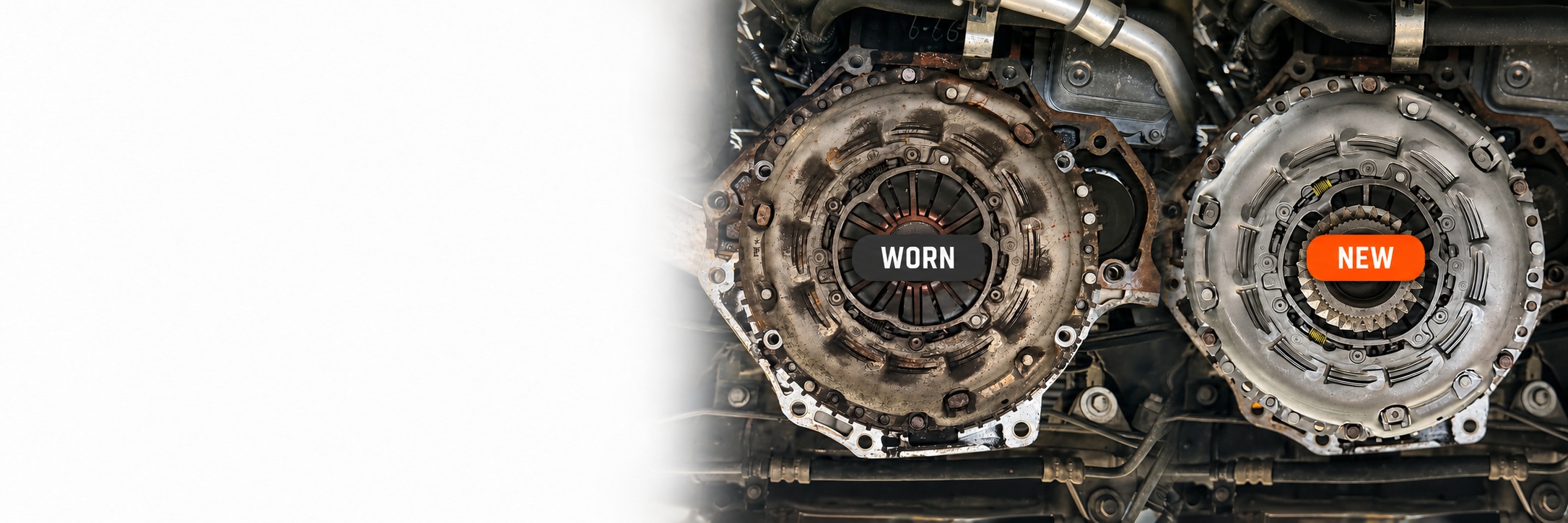
CLUTCH WEAR & TEAR
WHAT WEARS OUT A CLUTCH?
Clutches are designed to wear gradually, but certain driving conditions and habits can shorten their lifespan.


TOWING & HEAVY LOADS
Towing heavy trailers, carrying extra weight and repeated hill starts place additional demands on the clutch. Moving a heavily loaded vehicle from a standstill can mean the clutch takes longer to fully engage, creating more friction and heat.

DRIVING HABITS
Riding the clutch, resting your foot on the clutch pedal or holding the vehicle on a hill using the clutch instead of the brakes can accelerate wear. These habits keep the clutch partially engaged, generating extra friction and heat.


LEARNER DRIVERS
Learner drivers can also be hard on a clutch while developing their skills, particularly with repeated high-rev take-offs and holding the clutch at its biting point.


EVERYDAY DRIVING
Even with good driving habits, normal kilometres and everyday use eventually take their toll. The friction material on the clutch plate gradually wears down over time, just like brake pads.


PERFORMANCE & MODIFIED VEHICLES
Modified and performance vehicles often need a clutch that can handle extra power and torque. Heavy-duty and performance clutch upgrades offer greater holding capacity, with options designed to keep pedal effort comfortable for everyday driving
COMMON SYMPTOMS
SIGNS YOUR CLUTCH NEEDS ATTENTION
Not sure it’s your clutch? Here are some common signs to look out for.


CLUTCH SLIPPING
Engine revs increase, but the vehicle doesn’t accelerate as it should.


CLUTCH SHUDDER
Vehicle shakes or vibrates when taking off, particularly as the clutch engages.


CLUTCH GRABBING
The clutch engages suddenly or unevenly, making it difficult to take off smoothly.


PEDAL FEEL CHANGES
The clutch pedal feels unusually soft, heavy or spongy, or doesn’t return to its normal position.


UNUSUAL CLUTCH NOISES
Squealing, rattling or whirring noises when pressing or releasing the clutch pedal.


DIFFICULTY SELECTING GEARS
Gears become difficult to engage, particularly first or reverse, or you notice grinding when changing gears.
EXPERIENCING ANY OF THESE SYMPTOMS?
Not every clutch-related symptom means your clutch needs replacing.
Our team can assess the problem and help identify what’s causing it.
CLUTCH REPLACEMENTS & UPGRADES
HOW WE DO
CLUTCHES AT HART’S
When a clutch is worn or no longer operating correctly, replacing the complete clutch assembly is generally the best solution.
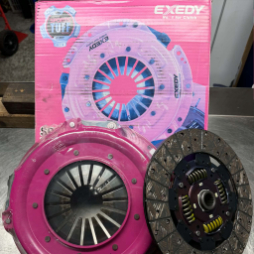
At Hart Transmissions, we supply and fit EXEDY clutch kits, including the clutch plate, pressure plate and throw-out bearing. We can also recommend heavy-duty or performance clutch options to suit the vehicle and how it’s used.
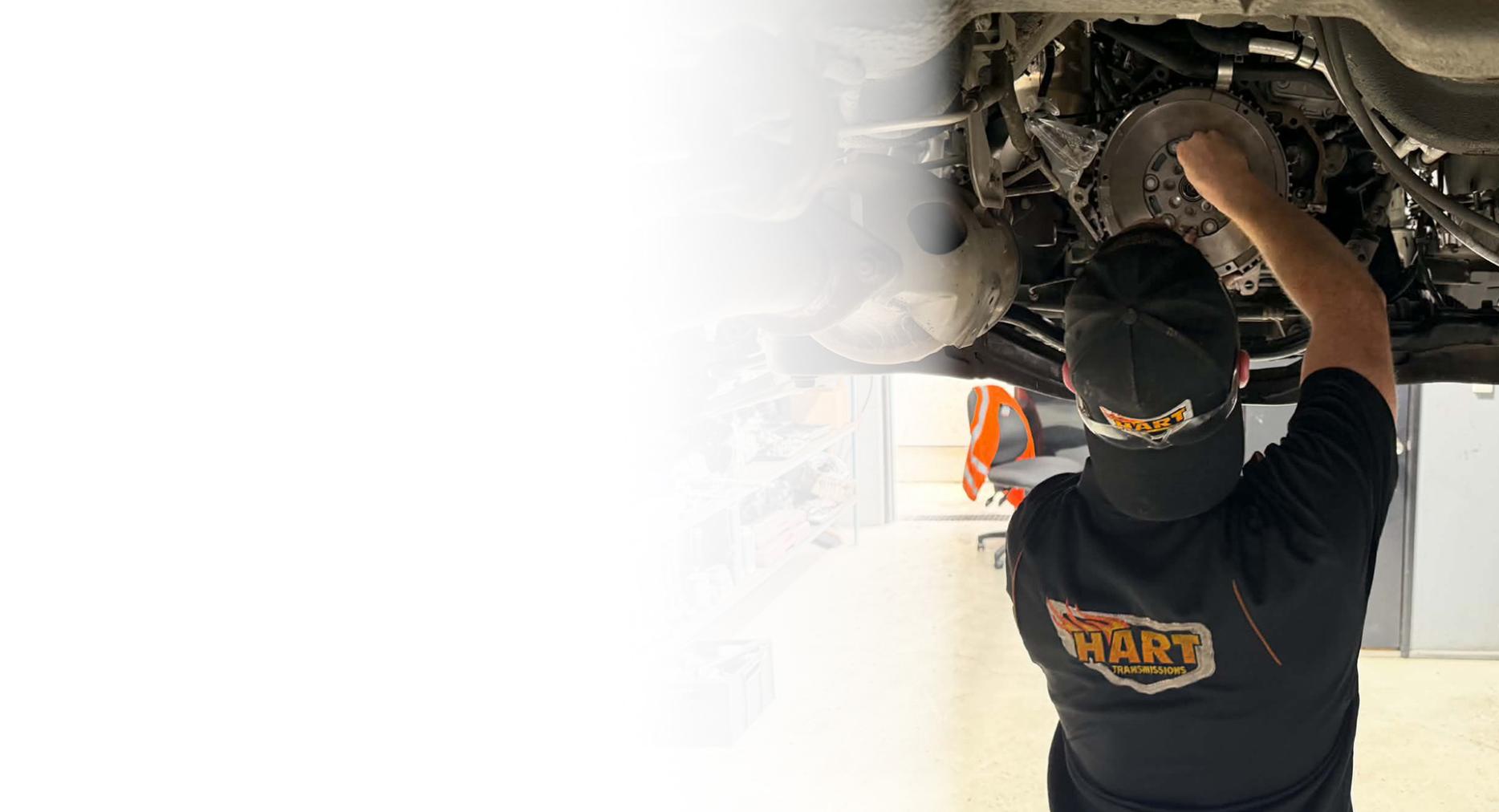
Replacing a clutch requires removing the gearbox to access the clutch assembly. Once removed, we inspect the flywheel for wear, heat damage and surface condition. Where suitable, flywheels can be machined; otherwise, replacement may be necessary.
We also replace the rear main crankshaft oil seal, using a genuine seal where available, along with the spigot bearing or bush where fitted. With the gearbox already removed, it’s an opportunity to replace components that could otherwise require significant labour to access later.
Once everything is reassembled, we check clutch operation and gear engagement to ensure the vehicle is functioning correctly.




COMPETITIVE
EXEDY PRICING
Because of the volume of EXEDY clutches we purchase, we’re able to offer competitive pricing on clutch kits.
Whether you’re purchasing a clutch kit or having us supply and fit it, it’s worth checking our price.


COMPLIMENTARY
1,000 KM CLUTCH CHECK
Our service doesn’t end when you drive out of the workshop.
After your new clutch has been fitted, we invite you to return after approximately 1,000 km for a complimentary check of the clutch operation and adjustment if required.
It’s a quick driveway check that generally takes just a few minutes, with no hoist required.